
2025: When “Viral” Stopped Meaning What It Used To
There was a time when a viral video meant something simple.
It meant someone uploaded a clip — sometimes shaky, sometimes imperfect — and the internet decided, collectively and organically, that it mattered. No marketing team. No data modeling. No AI scripting the hook.
Just lightning in a bottle. By 2025, that era feels finished. The Shift From Spontaneous to Engineered Between 2010 and 2020, viral videos were unpredictable cultural events.
A talking dog. A surprise performance. A backyard accident that became a meme. A kid biting a finger. But somewhere between 2021 and 2024, the definition shifted.
Creators stopped hoping for virality and started manufacturing it. Thumbnails became science. Hooks became data-tested. Titles became optimized. Videos were built for cross-platform clipping before they were even uploaded. TikTok fragments. Shorts excerpts. AI captions. Meme templates. By 2025, “viral” wasn’t accidental anymore. It was architectural.
Algorithmic Virality
The biggest change wasn’t what creators did — it was what platforms did.
Recommendation systems now determine what spreads.
Short-form loops dominate discovery.
AI-generated content floods feeds at scale.
Low-effort, high-volume uploads compete with high-quality storytelling.
Virality has become less about human sharing and more about machine amplification.
Instead of: “Did you see this? You have to watch it.”
It’s now: “The algorithm won’t stop showing me this.”
That’s not the same thing. The Saturation Problem In 2025, the volume of content is overwhelming.
- AI voiceovers narrate recycled clips.
- Reaction videos outnumber originals.
- Generated animations rack up billions of impressions.
- Livestreams replace standalone uploads.
When everything is optimized for retention, nothing feels spontaneous. And when everything is designed to go viral, nothing really feels viral at all. Why 2024 May Have Been the Last “Classic” Viral Year Looking back, 2024 may be the last year where you can build a clean list of viral videos with stable, recognizable links — where the video itself was the event.
In 2025, the moment is fragmented: A clip on Shorts, A repost on X, A remix on TikTok, A reaction on Instagram, A commentary breakdown, A stitched AI summary.
The “viral video” as a singular object has dissolved.
It’s now a distributed media event.
A Personal Note
Personally, I’d love to see it swing back.
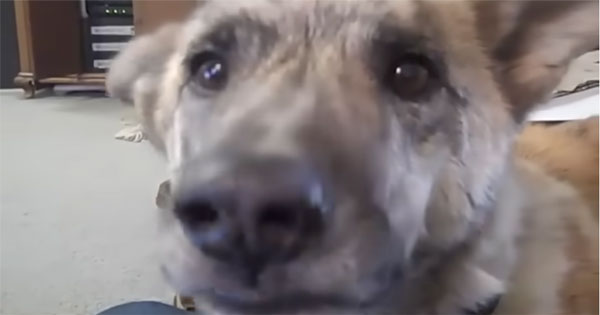
Back to something like Ultimate Dog Tease (2011)
One camera. One voice. One ridiculous concept. No strategy deck. No algorithm study. Just funny. That video didn’t feel optimized. It felt discovered.
And maybe that’s what we miss most — not just the videos themselves, but the feeling of stumbling onto something the internet decided to love together.
Closing Reflection: The Future of Viral Video Culture
From 2011’s organic gems to 2021’s mega-challenges, from 2023’s spectacle events to 2025’s algorithmic flood, viral video culture has evolved from human spontaneity to platform architecture.
The next era may not eliminate virality — but it has changed who controls it.
Not the uploader. Not the audience. The feed.
And maybe the next true viral moment won’t be the most engineered one.
Maybe it’ll be something simple again — imperfect, funny, human — that slips past the machines and reminds us what viral used to mean.